 Reggiana Hub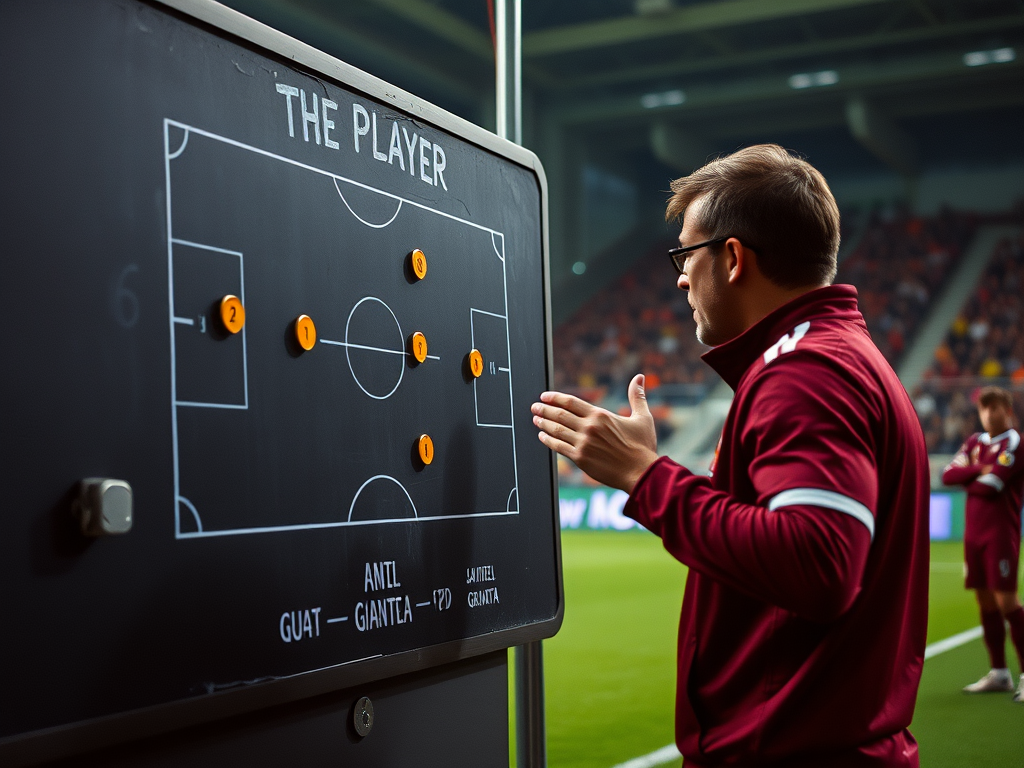
As Reggiana continues to navigate the complexities of their league campaign, it’s essential to take a closer look at their tactical setup and explore potential adjustments that could enhance their performance on the pitch. Recent matches have highlighted the Granata’s strengths in transitioning from defense to attack, but there are discernible gaps that could be addressed through tactical tweaks.
Current Tactical Setup
Reggiana has predominantly employed a 4-3-3 formation, which allows for a fluid attacking style and provides width through the wingers. This shape has enabled them to exploit space on the flanks, particularly with the pace of their wide players. However, this system has also exposed vulnerabilities in midfield, where opponents have successfully pressed and disrupted their build-up play. The central midfield trio, while talented, can sometimes struggle to maintain possession under pressure, leading to unnecessary turnovers.
Suggested Adjustments
To fortify their midfield and improve ball retention, a shift to a 4-2-3-1 formation could be beneficial. This adjustment would provide greater stability in the center of the park, allowing two holding midfielders to shield the defense while facilitating smoother transitions to attack. By employing a double pivot, Reggiana can better control the tempo of the game, ensuring that their creative players have the freedom to operate in advanced positions without compromising defensive solidity.
In this setup, one of the holding midfielders could be tasked with a more progressive role, initiating attacks with incisive passes while the other remains focused on defensive duties. This would alleviate some pressure on the backline, reducing the number of counter-attacking opportunities for opponents.
Player Roles and Responsibilities
It’s crucial that the players adapt to these new roles effectively. For instance, M. Bertagnoli could excel in a more advanced midfield role, utilizing his vision and technical skills to link up play between midfield and attack. Meanwhile, E. Cavaliere could occupy a deeper position, providing cover and recycling possession, which would allow the Granata to maintain control and composure in midfield exchanges.
Additionally, the wingers should be encouraged to cut inside more frequently when in possession, creating space for overlapping runs from the full-backs. This not only enhances the attacking threat but also facilitates better support for the central striker, allowing Reggiana to exploit defensive weaknesses in opposition lines.
Defensive Cohesion
On the defensive front, maintaining a compact shape will be crucial, especially against teams that thrive on quick transitions. The full-backs must be disciplined, balancing their attacking instincts with the need to track back effectively. Encouraging the center-backs to communicate more frequently and organize the backline can help mitigate the risks posed by counter-attacks, a common challenge in the current tactical structure.
Conclusion
By implementing these tactical adjustments, Reggiana can build on their recent form and address the vulnerabilities that have been exposed in matches. A more balanced 4-2-3-1 formation, coupled with clearly defined player roles, will not only enhance their defensive stability but also unleash the attacking potential that the Granata possess. As the season progresses, these tweaks could prove pivotal in securing vital points and cementing their position in the league.